
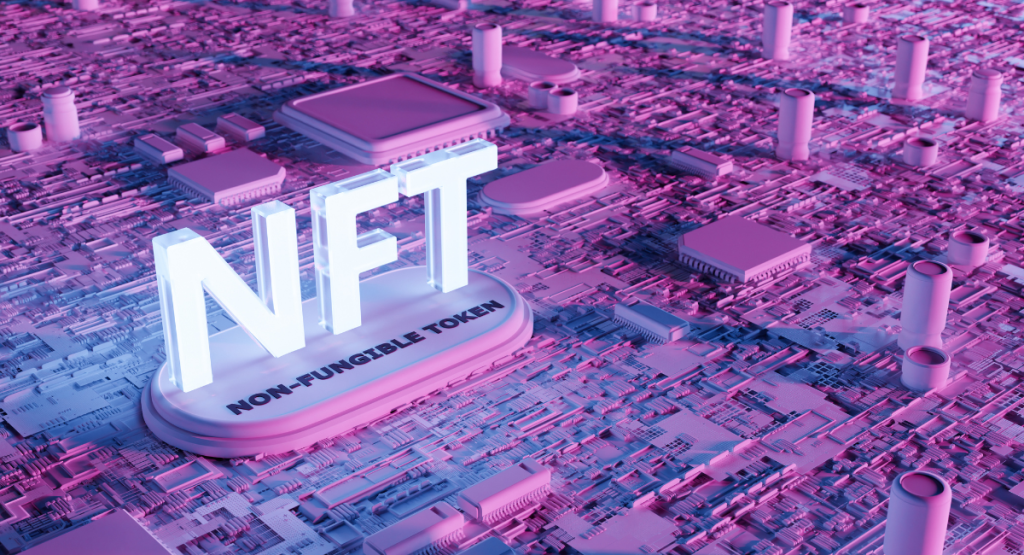
A token is an electronic notation representing a subjective right and characterized by two fundamental notes:
1) is realized in a decentralized database (e.g. a blockchain).
2) is controlled by a smart contract.
When the subjective rights represented are of a non-fungible nature, the token is called NFT ("non fungible token"). In this article we will analyze the two characteristics already pointed out: its decentralized nature and the intervention of smart contracts.
According to their internal structure, databases can be of two types: centralized or decentralized. Centralized databases are located, as their name suggests, on a single computer, and are accessed through SQL queries that allow the creation, modification and deletion of data. In the legal field, these databases have been used in recent decades to represent property rights such as bank account balances or securities.
Decentralized databases, which are the ones underlying the technology. blockchainIn contrast, their content is replicated in multiple nodes, so that if one of them goes down, the rest can continue to function properly. These bases, moreover, are not static but dynamic, insofar as they contain algorithms called smart contracts, which are able to modify their content. The electronic annotations controlled by these smart contracts are called tokens. From a legal point of view, tokens can be considered as account entries. From a computational point of view, they are data structures.
Tokens are thus a form of electronic representation of subjective rights. In them, the subject is an electronic address within the blockchain. Possession of the private key corresponding to that address grants dispositive power over it. Address and private key are mathematically intertwined. The issuances, transmissions and redemptions of tokens are controlled by the smart contract in question. Every time we want to transmit a token to a certain person, we will have to send a message (called a transaction) signed with our private key to the contract. Ethereum nodes will then check if we have disposition power. If so, the token will change ownership. Otherwise, the transaction will be rejected.
The rights represented by the tokens can be purely digital, if they only deploy their effects within the blockchain, as is the case with the right to vote within a DAO or with the rights attributed to the depositor or depositary by the smart cryptocurrency deposit contract(escrow). Tokens can also represent existing rights on the physical-legal plane, such as securities or rights in rem on real estate. In the first case, the content of the right is determined by the code of the smart contract that creates it. In the second case, by the legal system.
According to their content, tokens are classified into fungible and non-fungible tokens. The fungible tokens are those identified by their belonging to a genus. Non-fungible tokens (NFTs) are those that are individually identified by a collection of metadata, such that they are not interchangeable with each other. NFTs can be used, for this reason, to represent intellectual property rights or real property rights.
Smart contracts issuing tokens are often subjected to a sort of templates called standards. In the case of NFTs, it is quite common to use the Ethereum standards ERC 721 and ERC 1155. In the ERC 721 standard, each NFT is represented by a 256-bit number, and the smart contract that controls it must contain functions that allow transmission of the token, designate an authorized operator on it, or determine the balance in NFTs of any electronic address.
It is to be expected that as the number of rights representable by NFTs and transferable through simple transactions increases, so will the versatility of smart contracts and the complexity of their standards.
